


While I was a guest on a Strong Towns podcast a few months ago, I had the chance to talk about the Tourism versus Livability issue facing the urban revival of so many cities today. In our conversation, the topic of “Authentic Tourism” was raised in reference to how cities can effectively bridge the gap between inviting people from outside while still respecting the unique aspects of the community and its people. Most of the literature on this subject speaks to experiencing different cultures and ways of life via international travel, as opposed to the “sheltered” resort option. But American cities, even small ones, are beginning to appreciate the need to highlight locally unique history, food, landmarks, music, geographic locations and even oddities and quirks that both pay respect to the local culture and draw a curious crowd from afar.
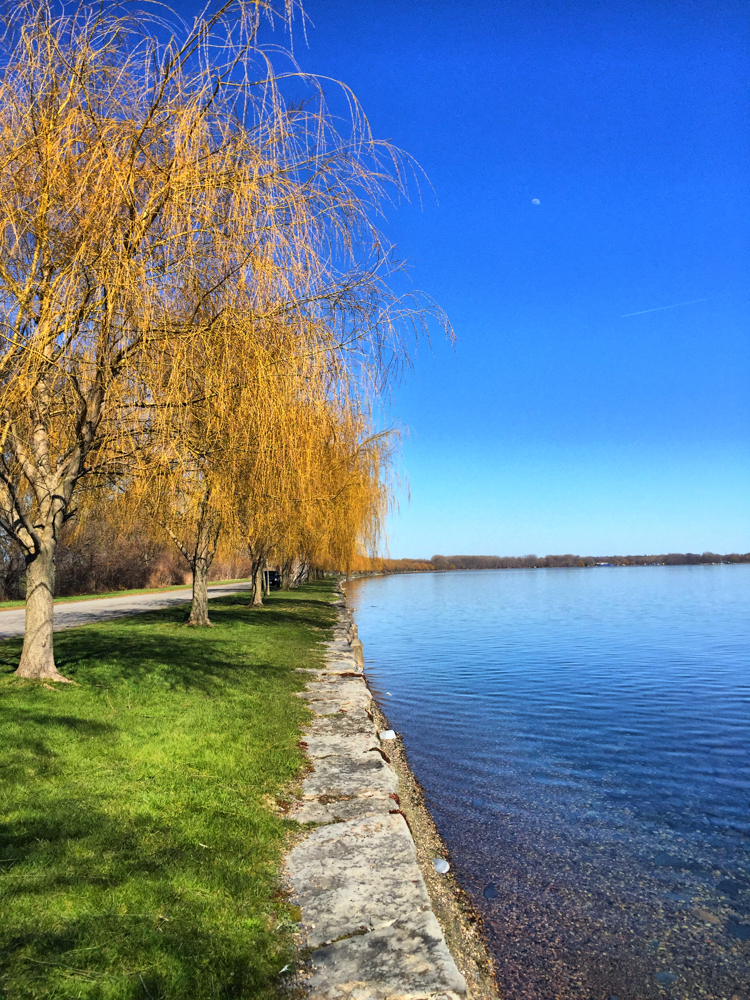
As countless studies continue to show that millennials prefer “experiences over stuff,” smart cities are marketing their “local flavor” in the hopes of attracting visitors by simply being true to themselves. Geneva, New York, a city of 10,000 people, is updating their waterfront along beautiful Seneca Lake, just a stone’s throw away from a downtown that is beginning to bustle with activity once again.


In Utica, New York, the local thunder can be felt everywhere you go. From the massive crowds that pack “The Aud” for Comets Hockey, to the scores of people wearing Saranac Brewery shirts and drinking Utica Club beer, the local “this is who we are, like it or not” sentiment could not be more palpable.


Troy, New York has organically exploded around a local arts scene, highlighted every weekend during the summer by one of the largest farm market experiences in New York State.


These small cities are slowly and incrementally showing that staying true to what is uniquely their own micro-culture works to generate a pro-local flavor embraced by residents, as well as an intriguing and original “experience” for visitors near and far. This is a blend and a balance that cities have always struggled with, though this struggle has been magnified by the explosion of activity in our downtowns across the country.
The importance of building a city that offers incremental growth based on unique and authentic experiences is underscored by the unprecedented residential growth we continue to see in our cities. Now more than ever, it is vital to add vibrant destinations that fit the landscape and are true to the folks that live in their respective cities. All too often, we see overpriced and over-hyped entertainment venues and other construction projects that don’t fit the cities or areas they inhabit. These projects typically meet with a harsh reality in which the people living in the area reject it because it is not part of the naturally growing urban landscape. While tourists and those living outside the community may be regular patrons, the lack of a long term sustainable connection to local residents, as well as the shortcomings of authenticity will, more often than not, jeopardize the project’s future.
Reaching for big, new ideas is healthy and essential for any city, but the belief that planners, developers and investors can create authentic, sustainable local vibrancy out of thin air is horribly shortsighted. In contrast, when a project blends with the community on a personal and financial level, building off of an element that feeds into an already existing interest, the results tend to be much more promising. The time may come for large scale investment into high-end entertainment experiences, but most cities are nowhere near that point. The safer and strategically profitable alternative is building around the ideas, quirks and heart that your city already embodies.